MOBILITY UK · AT HOME
Getting around your home.
More access to the rooms, routines and people that matter.
More access to the rooms, routines and people that matter.
Explore practical support for stairs and movement around the home.
Climbing the stairs, reaching a bedroom or moving between floors with a wheelchair can change everyday life. Arthritis may make steps painful. Fatigue with conditions such as MS can make a journey exhausting. Parkinson’s or balance difficulties may make turning and transfers harder. Your experience matters more than a diagnosis alone.
What is harder at the end of the day? Which rooms are you avoiding?
Are steps, changes of direction or standing from a seat difficult?
Does your wheelchair or walking aid need to travel between floors?
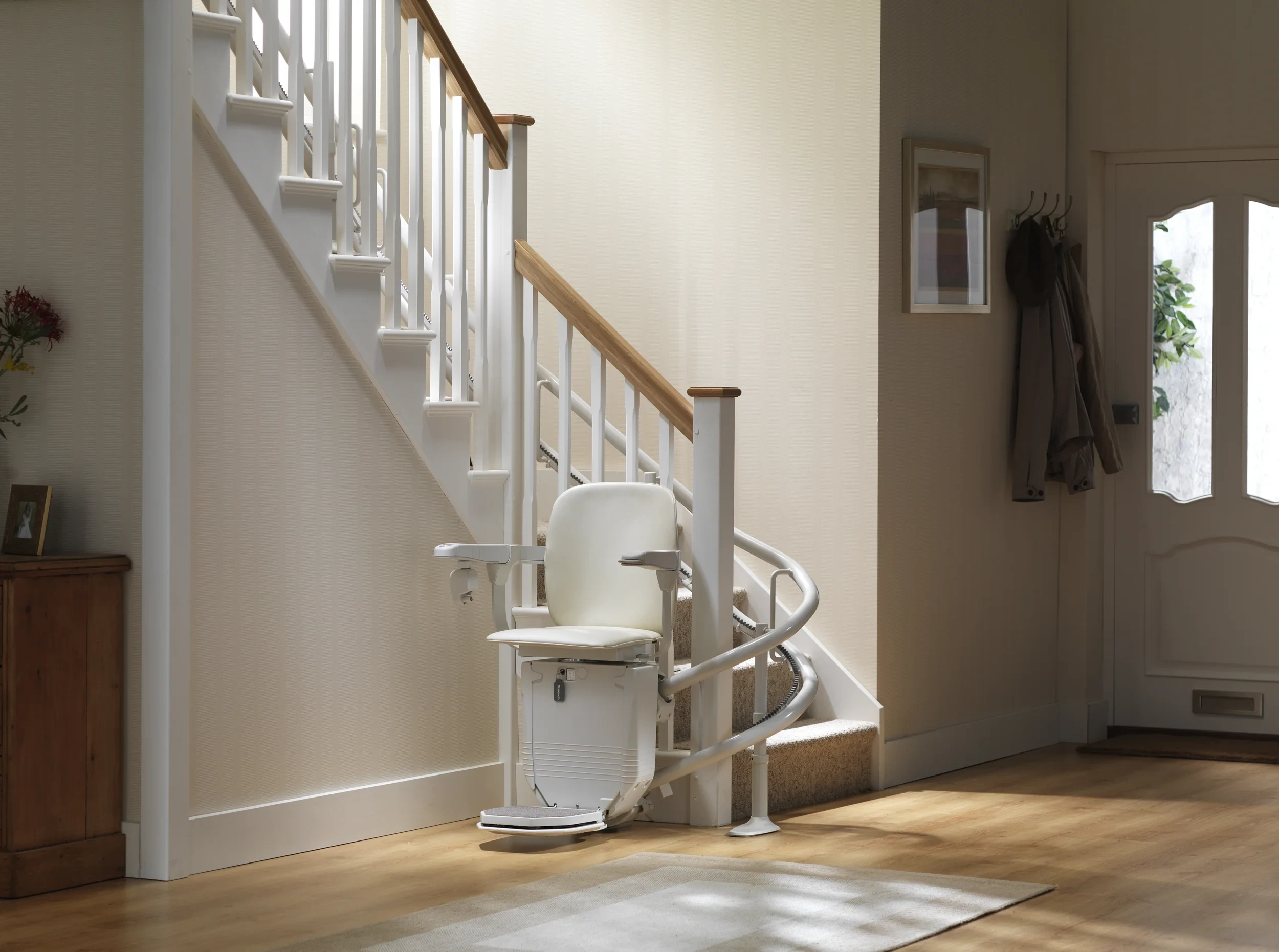
A seated journey along your staircase. Explore straight, curved and outdoor arrangements, and think through safe transfers at both ends.
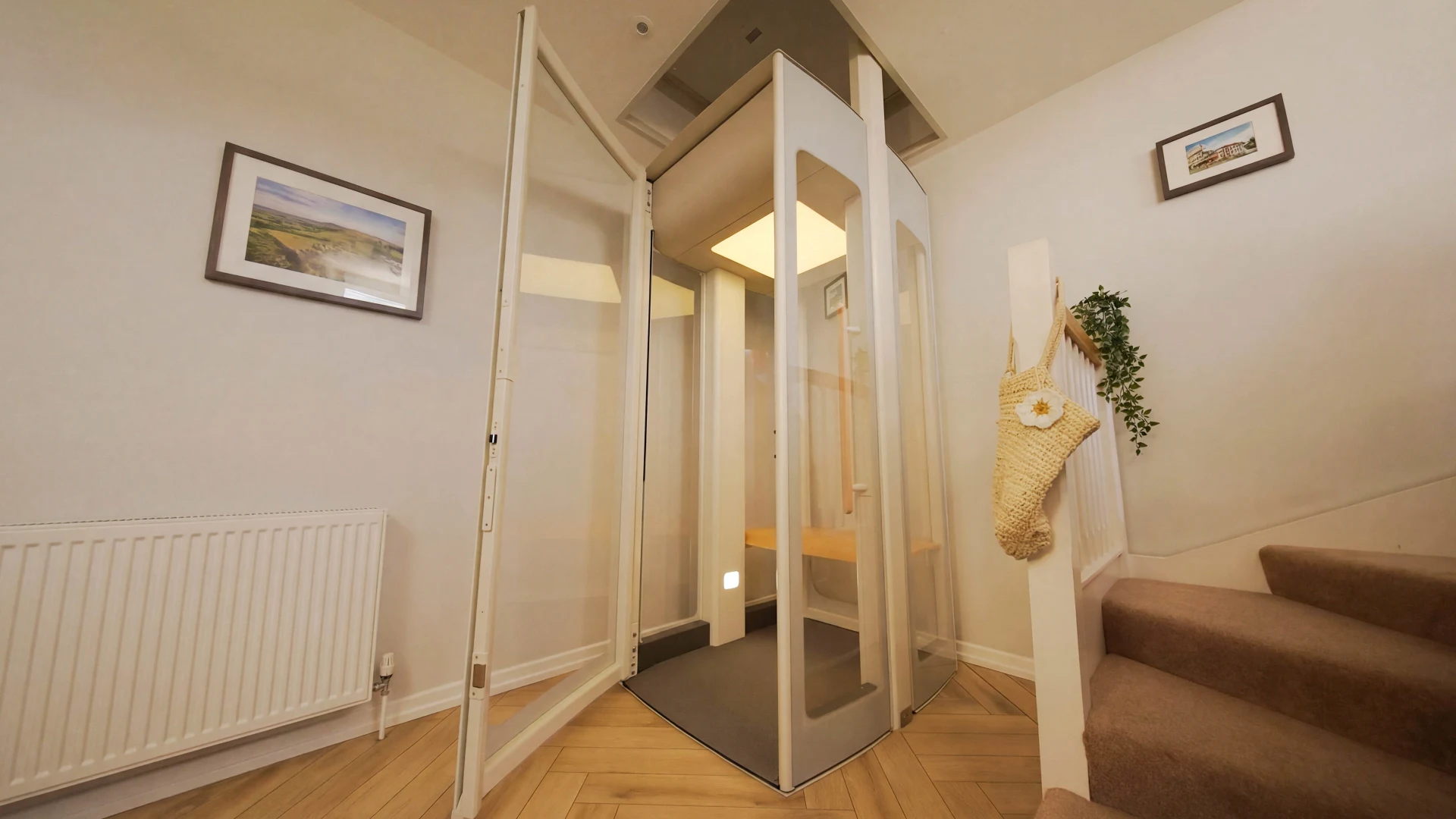
Explore stairliftsA cabin that connects floors. Explore S2 and S3, including a wheelchair travel option and ways to personalise the lift.
Explore UpliftsStart with how you will use it today and what may change in the future.
| Consideration | Seated stairlift | Uplifts home lift |
|---|---|---|
| How you travel | Sit on a chair that follows the stairs. | Travel inside a cabin between floors. |
| Wheelchair transfers | Usually involves a transfer at each end. Think about equipment needed upstairs. | The S3 offers wheelchair travel, subject to checking the individual chair and user. |
| Your home | The rail follows a straight or curved staircase. Landings and doorways matter. | A suitable location and opening between floors are planned with a surveyor. |
| Walking aids | Consider a second aid upstairs or another safe arrangement. | Ask whether your usual aid can travel with you. Fit and safe use must be checked. |
| Choosing | Your needs, transfers, equipment and home layout all matter. A professional survey confirms suitability and the full quotation. | |
Handrails offer support along steps and routes. Grab rails can help at a particular point, such as a doorway or beside a toilet. Their position and fixing need to suit the person and the building.
Continuous support where it helps most.
Coming soonA secure handhold for a specific movement or transfer.
Coming soonYour council or local health and social care service can discuss equipment and adaptations, often through an occupational therapy or needs assessment. Help and funding depend on where you live and your circumstances. Ask before arranging works if you want to seek funding.
Find council equipment support (England and Wales)
In Scotland, contact your council social work team. In Northern Ireland, contact your Health and Social Care Trust. If you are struggling to get an answer, we can help you explain your needs and follow up.
Ask for advocacy supportYou do not need to know the answer before asking. Tell us what you want to do more easily, and we will help you explore the next step.
Discuss a home lift Discuss a stairlift